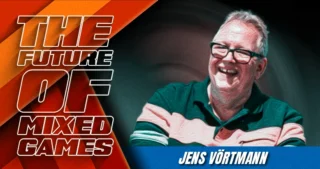
The Future of Mixed Games: Episode 1 – Tobias Leknes


Festival events are widely known for the variety of mixed games they offer, even though Hold’em continues to dominate most tournament schedules. What mixed games bring to poker is something truly unique: camaraderie, fun at the tables, and a willingness among players to help each other, highlighting the purest form of sportsmanship.
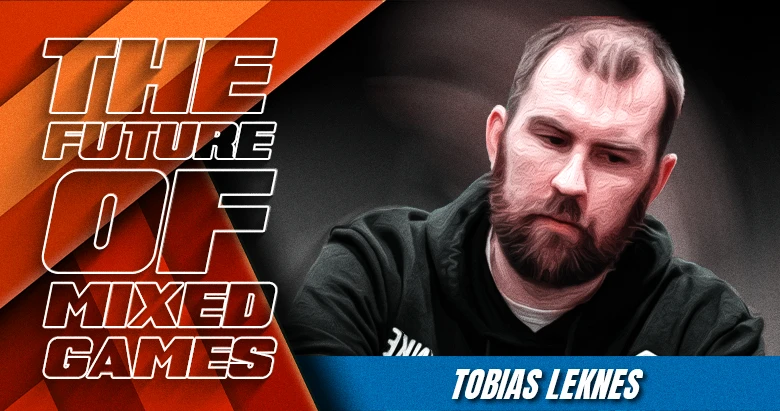
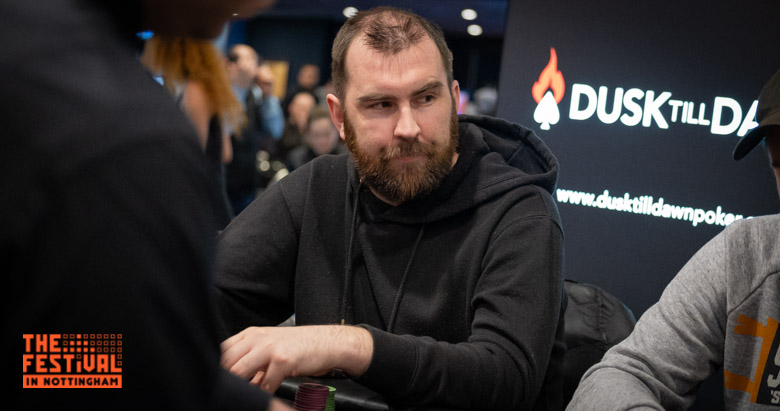
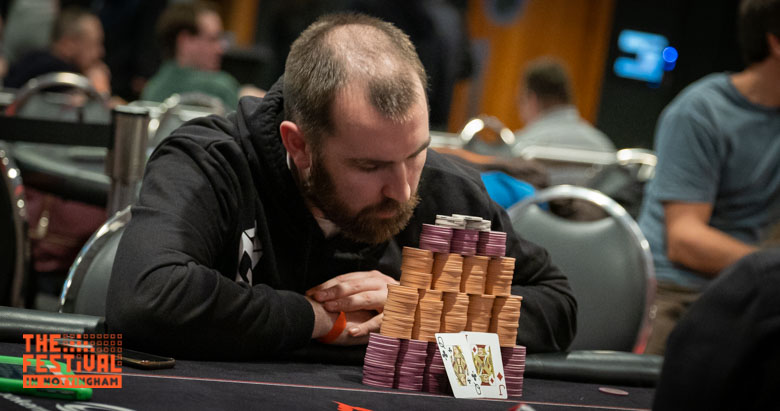
In this serie of articles, The Future of Mixed Games, we dive into the world of mixed games alongside notable names in the poker industry, starting with Tobias Leknes from Norway, who has the honours to kick it all off!
From €300–€800 European mixed festivals to EPT stages and even a $100,000 mixed-games high roller in Las Vegas, few players have experienced the full spectrum of the mixed-game offerings as broadly. In this interview with Tobias Leknes, we talk about what really changes between those environments, where Europe stands today, what still holds mixed games back, and what the future could look like if the momentum continues.
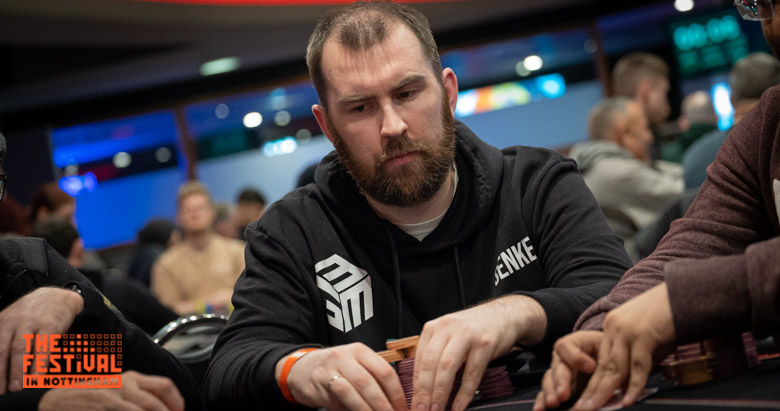
You’ve now played everything from €300–€800 European mixed festivals, to EPT events, to a $100,000 mixed-games high roller in Las Vegas. What changes when you move between those environments, and which one tells you more about the real health of mixed games?
''The obvious change between the two is that the main motivation for many of my opponents goes from typically being enjoying the game, having fun and being social in the lower buy-in events, and then more focus on competing and performing at a high level in the high rollers. But there is also a big overlap with many extremely talented poker minds in lower buy-in events and I truly enjoying competing with players at all kinds of buy-in levels. I also find it very fun to change between trying to outsmart smart people with a lot of experience, but maybe some misunderstanding of how to apply their skillset to different games and skilled opponents, and trying to find the style that works best in loosy goosy early tournament stages in a €300 event or just against players who might be lesser experienced over all.
I think for mixed games to succeed its very important to have some prestigious festivals to showcase mixed at the biggest scene to a broader audience. However the main growth will always come from the bottom and up.''
Looking at Europe right now, where do you think the actual bottleneck is for mixed games: rules friction, buy-ins, scheduling, lack of critical mass, or the fact that the biggest names don’t always show up outside the top-end events?
''For live mixed games regulations will always a big issue, as is it for all poker variants. I'm sure we could host plenty of very succesfull mixed series in Norway if the regulations were different. That being said live poker in general and mixed games in specific is experiencing growth in Europe. Where a festival previously might have had no mixed events, they might add one or two, the ones that previously had a couple, now have something more or less every day during their festivals.
Mixed games will always be niche to some degree, and I think we have to accept our place in the poker herritage. I will however always work to promote and open peoples eyes to the great world of mixed games. One thing we know about poker is that people love big prize pools, big fields and going where everyone else is going - Im glad for every big festival that puts up a meaningful mixed schedule for players to enjoy :)''
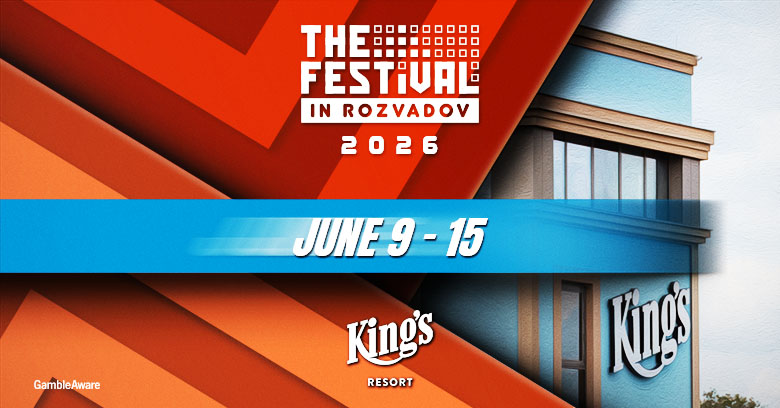
>> Check out the Full Schedule of The Festival Rozvadov here
If you were designing the perfect mixed-game ladder for a festival series, where would you place the buy-ins from entry level to flagship to high roller, and why?
''This very much depends on what kind of festival it is, where the tournament is held and what the overall goal is. I think having niche events like the European Mixed Poker Championship is something highly appreaciated by the mixed community. But for growing mixed games overall, having big festivals like The Festival Series and EPTs, offering mixed games might be more important. One day, I hope we can offer mixed games with buy-ins from €100 to €100k at EMPC, but for now I think either offering €100-€1000 or €500-€5000 makes the most sense for an operator, depending on which segment their festival is aiming at.''
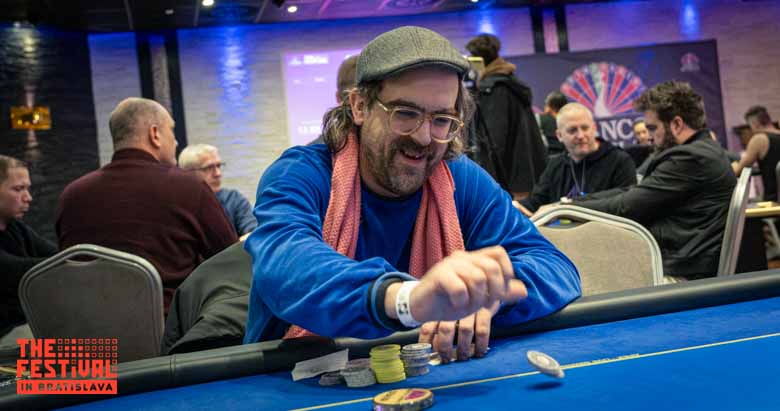


Recreational mixed players love the chance to play with names like yours, Benny Glaser’s, and the other established mixed specialists. What would genuinely persuade elite mixed pros to play one or two lower-buy-in festival events, not just the high rollers? After all, all mixed games fanatics would like to expand the community, regardless if you are a recreational player or playing only high roller events.
''I can only talk for myself and I must admit I'm just not in a place in my life where I can prioritize going to many festivals just to support them. It might change in the future, but now as the president of the Norwegian Poker Association and as a father of a one-year old, I have to prioritze which events I'm going to, and its mostly gonna be events where I can justify my time spent in terms of expected value.
However I admire all poker pros and mixed games lovers who take the time to attend and promote festivals that are trying to promote mixed games. I will certainly try to attend a festival like The Festival Series soon again!''
Some festivals still market mixed games almost like a niche for insiders. How would you pitch mixed games to strong NLHE and PLO players in a way that makes them curious instead of intimidated?
''Well for some NLHE or plo is just enough, poker is hard and learning new games is intimidating, I've been there myself! For players who enjoy the more untouched streets of poker, or just want more exciting variants of poker in their life, they are welcome to join the mixed games streets, and I believe all of the mixed games lovers out there have a small, but important role in promoting the game, both by being friendly and welcoming around the table, and promote it as much as possible off the tables!
If there are some strong NLHE/PLO players out there reading this I would dare to come and play some mixed games and show that you truly understand poker! Concepts translates very well between games and formats, so if you really believe you understand one of the games, then come and show it!''
Which formats are the best gateways in Europe right now? H.O.R.S.E., 8-Game, PLO8/Big O, Big Bet Mix, Dealer’s Choice, or something else? And what makes one format more “recreationally sticky” than another?
''I think 8-game remains the best format for mixed games, its the right amount of games, and I think its important that we don't create too many mixes and too many "carnival games". The world of mixed games is big enough already. For some niche festivals promoting a new game here and there is all fun and good, but if we want new players into the game I believe TORSE or 8-game are the best fits. Then PLO8 is certainly a wonderful game that can be offered more and be a stepping stone from PLO to mixed games.
Personally I find new variants interesting when they manage to not step too far away from existing games and rules. I think games like Badeucey and badacey aren't great games as there isn't really bluffing involved, and I think super stud games tends to be too gimmicky. And don't get me started on PL stud games, it's really just a bad fit and a bad game, I understand the action could be fun, but when players learn strategy its just not a good game in my opinion!''
You’ve publicly talked about structures and the importance of not starting some mixed events too low. What are the structure mistakes that most often hurt mixed-game tournaments, even when turnout looks decent on paper?
''When making events that are prestigous or of importance, I believe starting deeper than 40 big bets is kind of silly, and I way prefer skipping a few levels and add them back in as double levels early on. I appreciate that new people to the game and some cheaper events aimed at those are better as slightly more deepstacked from the start. So there are arguments for both sides, but in general when its one of a few events on the schedule, I prefer a structure that gets straight to the action where the average remains a bit higher for a longer time, instead of wasting time playing levels where nobody can win or lose a decent portion of their stack.''
>> Baby Torses returns to The Festival schedule
Irish Open, EMPC, us at The Festival Series, and other festivals are giving mixed games more room than they used to. What is Europe doing better right now than it was three or four years ago, and what is Europe still getting wrong?
''We have a bigger mixed community, a community filled with awesome people spreading their love for the game. Over the last years I feel like mixed games players have bonded more across nations and that people really enjoy going to the same events where the mixed games schedule is good. And maybe most importanly we have some nice people in charge of some of the many leading festivals seeing the value in bringing in some extra mixed games players to their festival. I think the likes of Teresa Nousiainen, Franke, Toby Stone, JP Mc Cann among others have really been helpful in raising the interest of mixed games. Some for a long time now like Franke, and some more recent.
The only thing we kind of lack in Europe right now I would say is a high roller scene for mixed games, and I would love to see Triton trying to put up a mixed games part of their series soon, as I think the turn out for such and event could be surprisingly good!''
How big a role should social media, streaming, and educational content play in building mixed-game fields? If a festival had a limited marketing budget, where would you spend it first?
''This is not really my expertise, but I must admit I loved having Lemon doing content for the EMPC in November, as well as the many other festivals he has been covering, with mostly The Festival Series events. He brings in energy and makes really good content that showcase the great sides of a mixed games festival.''
If we have this conversation again three years from now, what would need to be true for you to say mixed games in Europe are genuinely thriving rather than just surviving?
''FIrst of all, I'm just very sure mixed games has a bright future in Europe. I really hope that we will see festivals continue seeing the value of offering mixed games and that the mixed games community continues its steady growth. Big field tournaments generally attracts more players, so I think the future might be very bright if we can just grow a little bit further.
I would love more festivals to do a mixed main event, such as EPT did for EPT Prague in 2024 and such as The Festival Series has done for years. If I were to set a goal it would be for the first 300 entries mixed tournament to be played within 3 years!''

Let's Summarize it All!
With The Festival Series, we aim to give the maximum possible exposure to Mixed Games in general, without letting hold'em tournaments suffer too much. Moreover, we tend to have on average more hold'em tournaments on a daily basis, than any other tournaments series in Europe that works with the same buy-in levels.
Tobias Leknes is a poker player that is not only putting his heart on the table for the Norwegian poker community, but also stands up when it comes to mixed games. In our opinion, Tobias Leknes is to be considered as one of the most complete (allround) poker players in the world of mixed games, and we appreciate it a lot he took the efforts to reply our questions in a very straight-forward, honest, manner.
Mixed Games in Europe are no longer standing still. The community is growing, more festivals are opening space in their schedules, and the appetite for new formats continues to build. Where real long-term success will still depend on accessible buy-ins, smart structures, supportive organisers, and steady grassroots growth, it's Tobias Leknes who puts it in the right perspective. If those pieces continue to fall into place, the next few years could be the strongest era that Europe's mixed games scene has ever seen.
Stay tuned and soon we will come up with Episode #2 of 'The Future of Mixed Games'.